Finding kid-friendly golf balls means choosing items that are soft enough for young swings, durable for playtime, and easy to spot on the course. This guide highlights five kid-focused golf balls that balance soft feel with clear feedback, helping children learn faster and enjoy practicing. The top picks are ideal for beginners, casual junior players, and households that want to boost family-friendly golf sessions. A quick buyer’s table follows to compare essentials at a glance.
| Product | Best For | Key Benefit |
|---|---|---|
| Vice Tour Junior Golf Balls | Younger beginners | Lower compression core for better energy transfer; soft feel around greens |
| Lightahead USGolfer Emoticon Balls | Kids who love practice and novelty | Easy-to-spot designs; durable Surlyn blend with high bounce |
| WILSON Chaos Golf Balls | Casual family play | Bright multicolor design; two-piece Surlyn cover |
| Guirnd Foam Practice Balls | Indoor/outdoor practice | Lightweight foam with realistic dimpled texture for feel |
| Nitro Maximum Distance Ball | Long-distance focus | Two-piece titanium core for energy transfer and distance |
Vice Tour Junior Golf Balls
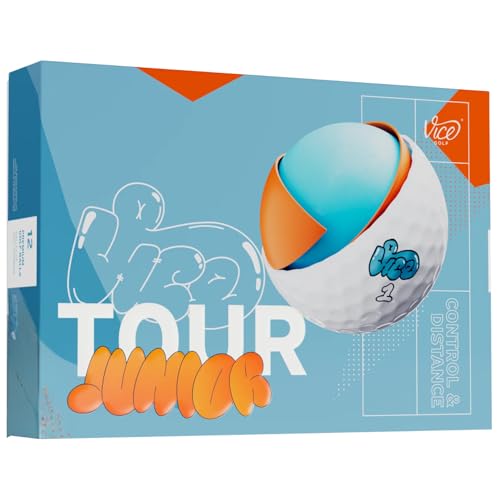
Brand: Vice Golf. Features include a lower compression core for more energy transfer from junior swings, a 312-dimple design to improve lift and carry, and a soft feel for better feedback around the green. Best for younger players who need forgiving distance off the tee and easier greenside control. Caution: Very soft feel may reduce feedback for more advanced juniors used to firm balls.
Lightahead USGolfer Emoticon Practice Balls Set

Brand: Lightahead. This set includes 12 unique emoticon designs, designed to be easy to spot and fun for kids. Made of shear-resistant elastic rubber and Surlyn blended cover, offering a high and straight bounce. Best for beginners and families who want playful practice rounds. Caution: The assortment may vary from the pictured designs; designs may differ per listing.
WILSON Chaos Golf Balls – Multicolor

Brand: WILSON. Features include multicolor 24-ball packs with a two-layer Surlyn cover, designed to be durable for play on most practice ranges and casual rounds. Best for kids who want a visible, easy-to-find ball and a reliable, forgiving two-piece construction. Caution: Multicolor visuals may fade with heavy use or repeated practice on rough surfaces.
Guirnd Foam Practice Balls – 20 Pack

Brand: Guirnd. Foam balls made from soft PU rubber with dent and impact resistance; 41mm diameter and 7.8g per ball in 5 colors. Realistic dimpled texture maintains spin, improving distance estimation for practice. Best for indoor or outdoor practice and younger players learning contact. Caution: Foam balls may not simulate full flight outdoors on hard, reflective surfaces.
Nitro Maximum Distance Golf Balls

Brand: Nitro. Features a two-piece titanium core designed for energy transfer, lower spin, and high-velocity distance. Aerodynamic dimple design reduces drag for longer shots, with a virtually indestructible DuPont Surlyn cover for durability. Best for kids seeking longer hits and confidence off the tee. Caution: This ball may be less forgiving on short-game accuracy for some beginners.
Buying Guide
What to consider when choosing golf balls for kids
- Compression and feel: Softer cores help young swings generate energy without excessive effort, promoting better distance and feedback.
- Durability vs. play style: Foam or Surlyn-covered balls tolerate rough practice and indoor use, but real-game feel varies. Match the ball to your child’s typical play environment.
- Visibility: Bright colors and distinct designs reduce loss risk during practice on grass, greens, or driving ranges.
- Size and weight: Standard kids’ practice balls are often lighter or foam-based for safety; oversized or novelty balls can aid learning in early stages.
- Design intent: Practice balls (foam or dual-layer) focus on feedback and repetition; distance-oriented balls emphasize flight and roll but may be less forgiving around greens.
How to choose by age and skill level
For beginners and younger children (ages 5–9), choose balls with low compression or foam for easy flight and soft feel. For slightly older kids or those practicing on a range, a two-piece Surlyn ball offers durability with adequate feedback. If a child wants longer shots and is already comfortable with swing mechanics, a low-spin, higher-distance ball can help in learning trajectory control.
Practice environment considerations
Indoor areas benefit from foam or soft practice balls to prevent damage, while outdoor backyards and practice nets can accommodate two-piece or Surlyn-covered options for more realistic flight and spin.
Safety and supervision
Always supervise young children during practice to prevent choking hazards with small parts or misdirected shots. Use age-appropriate, soft materials in early training stages.
FAQ for Buyers
- What ball should a beginner child start with? A softer, lower-compression or foam ball to encourage easy distance and good feedback.
- Are novelty or themed balls okay for practice? They’re fun and can help kids stay engaged, but may not provide ideal flight or feel for serious practice.
- Which ball is best for family practice sessions? Multicolor, durable two-piece Surlyn balls that are easy to spot and long-lasting.
- Do foam balls work indoors? Yes, they are safer for indoor use and offer realistic practice feedback without harming fixtures.
- Should I buy a large pack or a smaller set? A larger pack is practical for families and group practice, while small sets suit individual beginners.
- Can these balls affect a child’s long-term improvement? Yes, choosing the right level of feedback and forgiveness helps beginners learn correct swing paths and improves consistency over time.