If you’re seeking to improve wrist alignment and muscle memory for better ball striking, these flat-left-wrist drills and braces target the lead wrist to stay flat through impact. They’re ideal for beginners building fundamentals and for pros refining release and swing plane. This guide highlights five top options and who each is best for, with clear, comparison-friendly notes to help you choose.
Buyer notes: The following table offers a quick snapshot of the five featured products, focusing on type, target user, and key strengths.
| Product | Best For | Key Benefit |
|---|---|---|
| RILL Golf Training Aid | Beginners to Pros | 2-in-1 wrist and arm training for posture and consistency |
| SKLZ Men’s Smart Glove | Those who want a built-in guide | Removable rigid insert for on-plane swings |
| GAIARENA Wrist Hinge Trainer (Right Handed) | New golfers learning lead-wrist control | Brace-style support for straight lead wrist |
| Golf Wrist Brace (Ncultro) | Injury-prone players and steadying practice | Medical-grade support to reduce strain and promote muscle memory |
| WHYGOLF Wrist-X | All-around swing work with feedback | Audible feedback for instant correct hinge |
RILL Golf Training Aid, 2-in-1 Set

Best for combined wrist and arm work, the RILL set includes a golf wrist trainer and an arm band. It’s designed to keep the arms close to the body and to lock the lead wrist in a biomechanically optimal position, promoting straight, controlled swings. The two-in-one approach helps users develop muscle memory from the elbow to the wrist, which is especially helpful for beginners tackling the chicken wing issue and for pros seeking repeatable tempo.
Who it’s best for: Beginners wanting a straightforward, all-in-one solution, and intermediate players who want a compact tool to reinforce posture on the range.
Why chosen: It targets both arm and wrist mechanics in a single kit, which can accelerate learning and provide clear feedback during practice.
Caution: The fabric and stitching are strong, but users with very tight forearms should verify fit to avoid constriction during full-speed swings.
SKLZ Men’s Smart Glove Left Hand Golf Glove
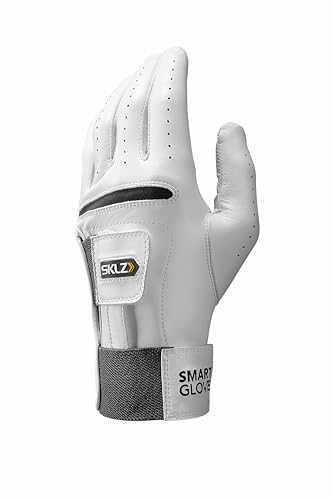
The SKLZ glove combines a high-quality Cabretta leather glove with a removable, rigid insert that guides hand and wrist to stay on-plane. The built-in guidance helps players groove a proper release and maintain wrist angles throughout the swing, while the glove’s material enhances grip and feel. This option is ideal for players who want a wearable guide integrated into their normal practice gear.
Who it’s best for: Players who want continuous, on-glove feedback and a dedicated grip guide to improve consistency without extra equipment clutter.
Why chosen: The removable insert provides a clear, repeatable cue for wrist position without requiring separate braces or bands.
Caution: The glove is a specialized tool; it may feel unusual for players who prefer a totally unrestricted glove experience during practice.
GAIARENA Golf Training Aid Wrist Hinge Trainer Brace (Right Handed)

This right-handed wrist brace is designed to help beginners keep the lead wrist straight during a swing. It covers the lead wrist to encourage a flat-wrist impact and supports muscle memory development for a more reliable swing plane. The brace is available in multiple sizes to accommodate different wrist circumferences.
Who it’s best for: New golfers who want a clearly defined lead-wrist cue and a brace-based solution to support a repeatable swing.
Why chosen: It provides a simple, brace-style approach to wrist control, which can be especially helpful for players who struggle with maintaining a flat lead wrist at impact.
Caution: Users with limited wrist mobility should review the size guide to ensure a comfortable fit without restricting natural movement.
Golf Wrist Brace by Ncultro

The Ncultro wrist brace offers medical-grade support with an adaptable, adjustable strap system. It is designed to reduce wrist strain while providing the stability needed to train proper hinge and impact position. This option is well suited for players who want durable, professional-level stabilization during practice and rehab sessions.
Who it’s best for: Players who require robust support for training and those recovering from wrist-related discomfort or prior injury.
Why chosen: The medical-grade design emphasizes stability and protection, helping players practice with confidence and build consistent wrist action.
Caution: It may feel rigid for players who prefer a very loose fit or minimal gear during practice sessions.
WHYGOLF Wrist-X Golf Swing Training Aid

The Wrist-X provides adjustable, audible feedback to cue wrist hinge at the moment of action. With a customizable range (0–70°), it helps you address cupped wrists, early or late hinge, and casting. It’s designed for use across the full game, including full swings, chipping, and putting.”
Who it’s best for: Golfers who value real-time, audible feedback and want a flexible hinge trainer for multiple swing aspects.
Why chosen: The real-time sound cue offers immediate, repeatable feedback that can accelerate learning, especially for self-guided practice.
Caution: Some users may prefer a non-audible or simpler cue; adjust expectations if you have noise restrictions on practice spaces.
Buying Guide: Key Purchase Considerations
- Do you want to correct a specific error (slice, hook, or lead-wrist bend) or develop overall stability and muscle memory?
- Type of aid: Brace-based (holds the wrist in a fixed position) vs. guidance-based (gives cues without rigid restriction) vs. glove-integrated guides. Choose based on how much structure you want during training.
- Fit and comfort: Consider wrist circumference, hand dominance, and whether you need ambidextrous options or left/right-specific gear.
- Durability and materials: Medical-grade materials and reinforced stitching are indicators of long-term use; check for tear resistance and comfort during longer sessions.
- Course practicality: If you train on a range, ensure the device remains comfortable and unobtrusive for full-speed swings.
- Feedback style: Do you prefer audible feedback, visual cues, or a physical constraint? Your preference affects speed of improvement and practice consistency.
FAQ
- What is the main benefit of a flat-wrist training aid? It helps keep the lead wrist flat through impact, promoting a consistent swing plane and more solid ball contact.
- Who should use wrist training aids? Beginners building fundamentals, players returning from injuries, and pros seeking repeatable mechanics during practice.
- Can wrist braces cause discomfort during long practice? Some models may feel restrictive; choose a size that fits well and adjust straps gradually to build comfort.
- Is audible feedback essential for improvement? Not essential, but it can accelerate learning by signaling correct hinge instantaneously for quick adjustments.
- Should I use more than one type of training aid? It can be beneficial to combine a brace with a glove guide or arm-band for a well-rounded approach, as long as it supports natural practice flow.
- Do these aids replace coaching? No. They are training tools that complement proper coaching and focused practice.