The best padding for a golf simulator creates a quieter, safer practice area while protecting walls and equipment. This guide highlights five top options, explains who they’re best for, and shows how to choose the right padding for your space. Ideal buyers include home golfers building a dedicated practice room, family spaces needing kid-friendly protection, and hobbyists upgrading an existing setup with durable, easy-to-clean materials.
| Product | Best For | Why It Stands Out |
|---|---|---|
| JOMOQ 12 Pack Golf Wall Padding Panels (B0FH45M9RB) | Home gym and kids play areas | Layered protective design and easy replacement straps |
| JOMOQ 12 Pack Golf Simulator Wall Padding (B0GX8G78VN) | Quiet, long-term protection | High-density cushioning with extra straps |
| 6 Pack Golf Simulator Padding Panels (B0G2KT3MMP) | Medium-to-large simulator setups | Self-adhesive, durable PU leather surface |
| Hahafelt 6 Pack Golf Wall Padding (B0FM78YN89) | Budget-conscious, compact spaces | Memory foam cushioning with waterproof PU cover |
| JOHEJOHE 12 PCS Golf Wall Padding (B0GXKLS649) | Value-packed kits | High-density foam with robust leather and lots of straps |
JOMOQ 12 Pack Golf Wall Padding Panels

Features include a layered protective design with a water-resistant synthetic leather surface and a plush interior that absorbs impact. It uses high-density foam for cushioning and noise reduction. The set includes 12 panels with extra hook-and-loop straps for secure wall adhesion and long-term use.
Best for: Home gyms and kids’ play areas where easy cleaning and durable protection matter. Avoid if your space requires non-leather finishes or lighter-weight padding.
JOMOQ 12 Pack Golf Simulator Wall Padding

This kit emphasizes a layered protection design with a water-resistant outer layer and a soft plush interior. It uses high-density memory foam for cushioning, quick rebound, and odor-free performance. It also ships with extra straps for replacement and ongoing use.
Best for: Quiet, long-term protection in home theaters or dedicated sim rooms. Choose this if you want robust sound dampening and replacement parts on hand.
6 Pack Golf Simulator Padding Panels

Offers a layered protective design with a water-resistant leather surface and a plush inner liner. High-resilience foam provides cushioning and reduces noise. Includes 24 straps for easy, stable installation across multiple panels.
Best for: Mid-to-large setups needing durable padding with easy replacement parts. Better for rooms where adhesive installation is preferred, but may require precise mounting for optimal fit.
Hahafelt 6 Pack Golf Wall Padding
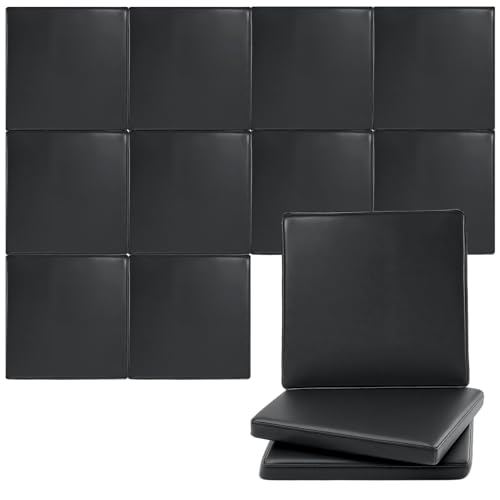
Six panels measure 20 x 20 x 2 inches with PU leather exterior and memory foam interior. The padding cushions against balls and collisions while maintaining a clean, polished look. A note warns that overall dimensions may be slightly smaller than the stated size for aesthetic reasons.
Best for: Buyers on a budget who still want memory foam protection. Consider if exact outer dimensions matter for your wall space.
JOHEJOHE 12 PCS Golf Wall Padding Panels

This value-packed set includes 12 panels with 20 x 20 x 2 inch dimensions, featuring PU leather and high-density foam for effective impact absorption. It also emphasizes sound dampening and a safer practice space.
Best for: Budget-conscious buyers who want a complete padding kit with ample replacement straps. Choose this if you need a high panel count per dollar and robust protection.
Buying Guide
What measurements matter?
Measure wall height and width to determine how many panels you need. Panels are typically 20 x 20 inches, so calculate coverage area and allow for seams and corners. Ensure ceiling clearance if installing overhead padding.
Which materials perform best?
Look for a layered construction: an outer protective surface (PU leather or synthetic leather) for stain resistance and wipe-clean ease; a plush interior for cushioning; and a high-density foam core for impact absorption and noise reduction. Water resistance helps with spills and routine cleaning.
Installation considerations
Check whether the panels use hook-and-loop fasteners, adhesive backs, or mounting hardware. Hook-and-loop straps are easier for quick replacements but require solid wall mounting. Self-adhesive options are convenient but may leave residue if removed frequently.
Maintenance and longevity
Choose materials that wipe clean easily and resist moisture. Memory foam tends to maintain cushioning over time but may need occasional replacement if compressed. Regular inspection of straps and fasteners prevents loosening and gaps.
Safety and performance balance
Padding should cushion impacts without creating tripping or snag hazards. Thicker padding can improve safety but may require more careful fit around corners and frames. Consider a combination approach for corners, walls, and ceiling where applicable.
Cost considerations
Value-packed sets offer lower per-panel costs but verify included accessories (extra straps, replacement parts). If you have a larger space, investing in a kit with spare straps reduces downtime for replacements.
Common buyer questions
- Do these pads fit standard golf simulators? Yes, most panels are designed for typical home setups and can be cut or rearranged to fit.
- Are the surfaces easy to clean? Most use water-resistant outer surfaces that wipe clean easily.
- Will padding reduce noise? High-density foam and layered surfaces help dampen noise from ball impact.
- Can padding be reused if I move rooms? Replacement straps and durable materials allow reinstallation in new spaces.
- Is thicker padding better? Generally, thicker padding provides more impact absorption but requires space planning for installation.
Frequently Asked Questions
Q1: What is the typical panel size for golf wall padding? A: Most options are about 20 x 20 inches with 2 inches of thickness.
Q2: Do padding sets come with mounting hardware? A: Many sets include extra hook-and-loop straps; some rely on adhesive or mounting hardware separate from the panels.
Q3: Can padding be used on ceilings? A: Some kits are designed for ceiling use; check product specs for suitability and installation guidance.
Q4: How long does padding typically last? A: Durability varies by material and use; look for high-density foam and a durable surface for longer life.
| Product | Best For | Notes |
|---|---|---|
| JOMOQ 12 Pack Golf Wall Padding Panels (B0FH45M9RB) | Home gyms and kids spaces | Strong protection, easy part replacement |
| JOMOQ 12 Pack Golf Simulator Wall Padding (B0GX8G78VN) | Quiet, long-term use | Extra straps included |
| 6 Pack Golf Simulator Padding Panels (B0G2KT3MMP) | Medium-to-large setups | Self-adhesive option available |
| Hahafelt 6 Pack Golf Wall Padding (B0FM78YN89) | Budget-friendly | Memory foam with PU leather |
| JOHEJOHE 12 PCS Golf Wall Padding (B0GXKLS649) | Great value | High-density foam and leather |