When searching for a golf ball practice tube, the right pick helps you save time, reduce bending, and keep your practice sessions efficient. This guide highlights five well-rounded options suited for different players—from casual weekend golfers to training-focused enthusiasts. Each product is evaluated for ease of use, capacity, and build quality to help you choose the best fit for your practice routine. Below is a quick summary table of the listed products to compare core features at a glance.
| Product | Capacity | Material | Best For |
|---|---|---|---|
| The Practice Stick Ball Shagger / Retriever by ProActive Sports | Up to 23 | Lightweight plastic | Beginner-friendly, casual practice |
| TRINKA Golf Ball Retriever with Storage Bag | Up to 24 | Aluminum alloy | Standing retrieval, longer sessions |
| Golf Ball Retriever Professional Picker Golf Ball Shag Tube (Plastic Release) | Up to 25 | Wear-resistant plastic | Budget-friendly, easy release |
| Golf Ball Retriever Aluminum Alloy Pickup Collector Tube | Up to 25 | Aluminum alloy | Durable, rust-resistant |
| Golf Ball Retriever Professional Picker Golf Ball Shag Tube (Plastic Release) | Up to 25 | Wear-resistant plastic | Similar to other plastic release design |
The Practice Stick Ball Shagger / Retriever by ProActive Sports

The Practice Stick Ball Shagger by ProActive Sports is a lightweight, durable tool designed to hold up to 23 golf balls. Its simple design emphasizes quick pickup and easy storage, making it ideal for beginners and casual players who want a straightforward solution for recovering practice balls without bending. Best for those practicing short sessions or needing a portable solution for small bags, garages, or driving ranges. A potential limitation is capacity: if you routinely collect more than two dozen balls, you may prefer a higher-capacity option.
TRINKA Golf Ball Retriever with Storage Bag
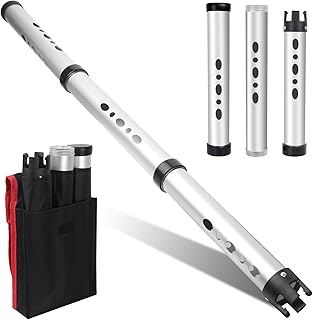
This model uses a 39.8-inch aluminum alloy retriever and a detachable storage bag. Its four-claw design helps catch balls accurately while standing upright, reducing bending and saving time on the course or range. It holds up to 24 balls, offering a good balance between capacity and length for most players. Best for golfers who want a sturdy, tall retriever and convenient bag storage. Note that aluminum setups can require a bit more care to prevent dings during transport in crowded bags.
Golf Ball Retriever Professional Picker Golf Ball Shag Tube (Plastic Release)

This plastic-release shag tube emphasizes simple operation: press the mouth against the ball, and it slides into the tube with an easy-release mechanism to prevent balls from dropping unexpectedly. Its wear-resistant plastic body and a top grip provide durability and comfort during use. Best for players seeking a budget-friendly option with a straightforward, reliable release system. A potential limitation is that plastic tubes may show wear with heavy, long-term use compared to metal alternatives.
Golf Ball Retriever, Aluminum Alloy Pickup Collector Tube

Constructed from aluminum alloy and ABS plastic, this retriever promises rust resistance and long-term durability. It features a 41.3-inch reach, designed to minimize bending during retrieval. It can hold up to 25 golf balls, making it well-suited for longer practice sessions or larger ball volumes. Best for players who prioritize strength and a taller reach. Limitation to note: aluminum designs can be heavier than pure plastic tubes, affecting portability in some setups.
Golf Ball Retriever Professional Picker Golf Ball Shag Tube (Plastic Release) — (Same Style)

This option mirrors the simple-plastic release approach, emphasizing ease of use and a secure release mechanism to prevent accidental ball loss. It’s built from wear-resistant plastic and includes a top grip to protect the golfer’s hand during retrieval. Best for price-conscious shoppers who want a reliable plastic shag tube with straightforward operation. Considerations: ensure the release mechanism remains functional with frequent use, as plastic parts can wear over time.
Buying Guide
- Capacity vs. practice style: If you practice with small drills, a 20–25 ball capacity is usually sufficient. For longer sessions or larger ranges, choose higher capacity or a modular system.
- Material choice: Aluminum builds offer strength and rust resistance but can add weight. Plastic release tubes are lighter and cheaper but may wear faster with heavy use.
- Reach and ergonomics: Taller tubes reduce bending; look for lengths around 39–41 inches. A comfortable grip minimizes hand fatigue during repeated pickups.
- Release mechanism reliability: A secure release prevents balls from dropping and speeds up retrieval. Test if the mechanism feels smooth and dependable.
- Storage and portability: Detachable bags or modular sections help with transport and organization. Consider your bag space and travel needs.
- Usage context: Standing practice at the range? A longer, rigid retriever is ideal. At home or indoors, a compact, lightweight design may suffice.
Frequently Asked Questions
- What is the typical capacity for a golf ball practice tube? Most options hold 20–25 balls, with some models reaching up to 24–25 balls for medium-length practice sessions.
- Do these tubes require bending to use? Many models are designed to minimize bending, offering lengths around 39–41 inches for upright pickup.
- Are aluminum tubes better than plastic? Aluminum is stronger and more durable but heavier; plastic is lighter and usually cheaper but can wear faster with heavy use.
- Can I detach the bag for transport? Several models feature detachable bags or modular sections to simplify transport and storage.
- Is a release mechanism necessary? A reliable release mechanism helps prevent balls from staying in the tube and makes retrieval faster.
- Which product is best for beginners? The ProActive Sports model offers straightforward operation and a modest capacity, which suits new players.